History
The St. Jan was ship of the Dutch West India Company (WIC). On March 4th, 1659, it departed from the port of Elmina in Ghana, after which it made several stops in western Africa to buy enslaved people. The ship sailed together with the Vrede and the Coninck Salomon, als WIC ships. The enslaved people were mainly intended for Curaçao, a part of them to be put to work there and a part to be sold on to the mainland of South America.
The captain of the St. Jan, called Blaes, had no experience in the Caribbean, up until then he had only sailed in African waters. During the crossing, 110 enslaved people died of various diseases. Upon arrival in the Caribbean, the captain decided to head to Tobago for fresh water, because they had depleted their stock.

Shipwrecked and taken by a privateer
Yet after this they did not succeed in reaching Curaçao. Probably by a navigational error, they struck a coral reef at the Los Roques islands in Venezuela on November 1st. This archipelago is dangerous to shipping because it is surrounded by coral reefs that often lie invisible under the surface due to tides and storms. The captain and a part of the crew managed to save themselves in the sloop and they headed for Curaçao. Only three days later they managed to return with rescue boats. The enslaved people that were still alive were rescued and a cargo of ivory that was on board was also salvaged.
Just when they were about to leave, an English privateer (led by a Danish captain) showed up who forced them to hand over the enslaved people and the cargo. The people were probably later traded in Jamaica.
Description
Armament: 12 cannon
| Master | Blaes, Adriaan |
|---|
Status
Archaeological investigation
In 2025 a team of archaeologists undertook research into shipwrecks on the Los Roques islands. Involved parties included Ipso Facto, Arkaeos and the Cultural Heritage Agency of the Netherlands.
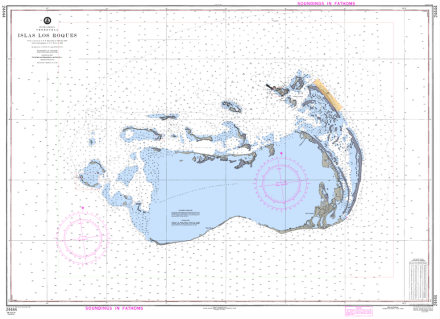
A total of six dives were made in the area where they expected to find the St. Jan. The work was hampered by hurricane Melissa and because of this, the project could not be totally completed. Because of this, the team was directed into a different direction: doing research on land by interviewing locals and researching finds by locals.
During the dives, four cannons covered in coral were found at a shallow depth and these were measured as best as possible. On other locations, another cannon with cannonballs and an anchor were found.
Finds on land
Research on land brought to light a number of finds that were done by locals in the area through the years, amongst which were a few earthenware jugs, some of which may have come from the St. Jan based on their type.
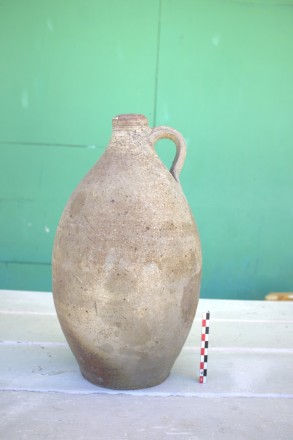
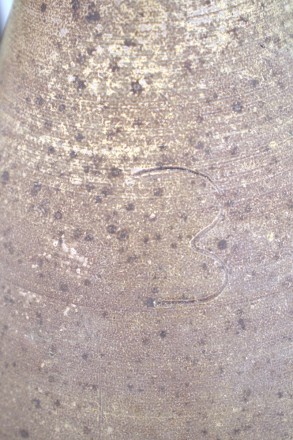
Furthermore, an anchor and a cannon were studied, yet the anchor turned out to be too young for the St. Jan and the cannon was too heavily corroded to date it.
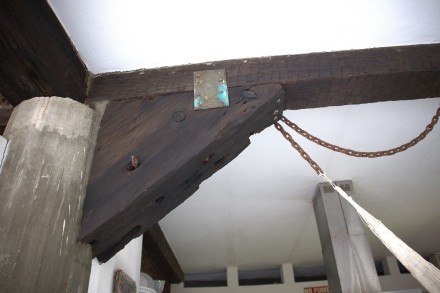
Another interesting and important find was the presence of timber from ships that had been repurposed in houses. This was a normal practice in the past. Two deck beams, a frame and another piece of timber were researched. An attempt was made to date the wood using dendrochronology, yet this was not successful, though it did become clear that at least on of the beams came from North America.
Oral history
From interviews with a number of inhabitants of the islands, it became clear that they believe that the first inhabitants of the archipelago were Dutch. There also lived people of a mixed Dutch-African heritage. The Dutch came there in the past to mine for sulfur (in the form of guano) and to harvest salt, mangrove wood and coral. The current inhabitants consist of a mixture of Dutch and other Europeans, Native inhabitants of other islands and people of African descent. Many of these settled there in the 18th and 19th centuries.
The archipelago was also used to refurbish ships and to look for food, but there was not enough fresh water for large scale settlement. Also, pirates of many different nations are said to have used the group of islands as a hideout. A number of these pirates also settled there.
There are also several stories about finds from shipwrecks, but no oral tradition directly linked to the St. Jan was found.
Arkaeos made a short film (in Dutch and French) about the research.
Conclusions
The research has brought to light a lot of information on the history of the islands and a number of interesting archaeological finds were made. It is hoped to return in 2026 for more research, also because the archaeological heritage of the islands is threatened by multiple causes.
The research has shown how the use and habitation of the islands developed. It forms a link in the history of the Caribbean, in which slavery, exploitation of natural resources and human resilience are closely interwoven.
Slave voyages
Asides from her final voyage, the ship made a voyage from Africa to Martinique in 1655 with 328 enslaved people on board, according to Slavevoyages.org. Of these people, 285 survived the voyage.
References
- Stadsarchief Amsterdam, Notariëel archief, Notaris Hendrik Schaef. Minuutacten van attestatiën en andere acten, gepasseerd op het W.Indische Huis
ref. no. 1309, pp 56 - Arkaeos
Op zoek naar de St. Jan en de verzonken geschiedenis - slavevoyages.org
Slavevoyages