History
The Papenburg was a flute in the service of the Dutch East India Company (VOC). The ship made two return voyages to Asia (from Texel to Batavia), in 1667 and 1670.
On February 4th, 1673, the return fleet left Batavia (present-day Jakarta) with the Netherlands as its destination, under the command of commander Abraham Huybertsz. The fleet from Batavia consisted of six flutes: the Wapen van Ter Veere, Alphen, Papenburg, Franse Europa, Pijnacker and Stermeer.
Third Anglo-Dutch War
In the mean time, war had broken out in Europe. The Dutch Republic was under attack from three sides by Enland, France and the Bishop of Münster (in the so-called Rampjaar, 'disaster year').
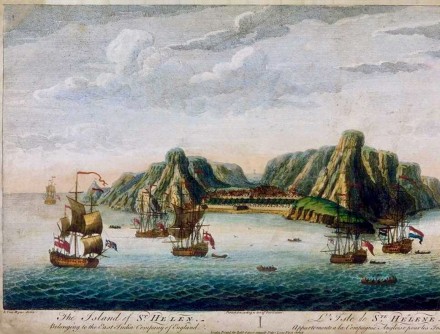
To hit the British, the Dutch fleet attacked them wherever they could. A Dutch fleet squadron under the command of general Jacob van Gens had attacked the English supply island Saint Helena. The Dutch were able to conquer the island on January 1st, 1673, with little resistance.
Return fleet
On May 13th, a British fleet squadron let by commander Richard Munden arrived at Saint Helena. The English managed to easily retake the island. There they heard from prisoners that the VOC return fleet was due to arrive. Shortly after this, one VOC ship appeared on the roads of Saint Helana. On the fort the Dutch colors still flew. The ship, the Franse Europa, fell into British hands. Later also the Alphen and the Wapen van Ter Veer were also taken by the British fleet whilst underway to the island of Ascension.
Chase
The Papenbrug, Pijnacker and Stermeer managed to escape and sailed to Europe as fast as they could. They took the so-called 'backdoor route' along the western coast of Ireland and the northern coast of Scotland towards the North Sea. This was common practice during wartime to avoid the English Channel.
Munden gave chase. He was slowed down because of his prizes but he had the advantage that he could take the shorter route through the Channel. At the height of Texel he found the three remaining VOC ships. There, the Papenburg was also taken. The Pijnacker and the Stermeer managed to escape and safely arrived in the Netherlands. What became of the Papenburg in the end is not (yet) known.
Munden arrived in Portsmouth on 20 August with four Dutch prizes. Later that year he was knighted for his action at Saint Helena and the taking of such a rich prize.
Description
| Length | 130 Amsterdam feet (36.8 m) |
|---|